Bad breath, medically known as halitosis, is a common and often embarrassing condition that affects millions of people. While occasional bad breath after a garlicky meal https://telegra.ph/The-Sweet-Trap-Protecting-Childrens-Smiles-from-Sugary-Drinks-07-11 is normal, persistent halitosis can be a sign of an underlying issue, impacting your confidence and social interactions. Fortunately, many causes of bad breath are treatable, and finding effective solutions often begins with understanding why it happens. At Piedmont Dental, our team is dedicated to helping our Rock Hill community achieve optimal oral health and fresh breath.
What Causes Bad Breath?
Understanding the root cause of halitosis is the first step toward finding a lasting cure. Bad breath can stem from a variety of sources, both inside and outside the mouth.
Oral Hygiene Habits
This is by far the most common culprit. When food particles remain in your mouth, they become a breeding ground for bacteria. These bacteria break down the food, releasing volatile sulfur compounds (VSCs) – the primary gases responsible for the unpleasant odor. Inadequate brushing and flossing allow plaque and food debris to accumulate, especially on and around the tongue, between teeth, and along the gum line.
Food and Drink
Certain foods, such as onions, garlic, and spices, can cause temporary bad breath. After digestion, their odoriferous molecules are absorbed into the bloodstream and then expelled through the lungs when you breathe. Beverages like coffee and alcohol can also contribute to a less-than-fresh mouth.
Dry Mouth (Xerostomia)
Saliva plays a crucial role in oral health, helping to cleanse the mouth, neutralize acids, and wash away food particles and bacteria. When saliva production decreases, often due to certain medications, medical conditions, or simply breathing through your mouth, food debris and bacteria are not adequately rinsed away, leading to a build-up that can cause bad breath.
Tobacco Products
Smoking and chewing tobacco are notorious for causing their own distinct and unpleasant mouth odor. Beyond that, tobacco use significantly increases the risk of gum disease, which is a major contributor to chronic halitosis.
Underlying Health Conditions
While most bad breath originates in the mouth, sometimes it can be a symptom of a more serious health issue. These can include:
- Gum Disease (Periodontal Disease): Bacterial infections in the gums can produce foul-smelling gases.Cavities and Oral Infections: Decaying teeth or abscesses can harbor odor-producing bacteria.Sinus or Respiratory Infections: Postnasal drip can lead to bacteria accumulation at the back of the throat.Tonsil Stones (Tonsilloliths): Small, calcified deposits in the tonsils can trap bacteria and emit a foul odor.Gastrointestinal Issues: Conditions like acid reflux can bring stomach acids and undigested food particles into the esophagus, causing an unpleasant smell.Systemic Diseases: In rare cases, liver or kidney disease, diabetes, or other metabolic disorders can produce distinct breath odors.
Effective Solutions for Fresher Breath
The good news is that many bad breath issues can be resolved with simple yet effective strategies.
Master Your Oral Hygiene Routine
This is your front-line defense. Brush your teeth twice a day for at least two minutes, using a fluoride toothpaste. Don't forget to brush your tongue, as bacteria and food debris often accumulate there. Floss daily to remove trapped food particles and plaque from between your teeth and under the gum line. Consider using an antimicrobial mouthwash, but remember it's a supplement, not a substitute, for brushing and flossing.
Watch Your Diet
Minimize strong-smelling foods like garlic and onions, or at least be mindful of their temporary effects. Opt for foods that promote saliva production, such as crunchy fruits and vegetables. Chewing sugar-free gum can also stimulate saliva flow and help dislodge food particles.
Stay Hydrated
Drinking plenty of water throughout the day helps keep your mouth moist and washes away bacteria and food debris. If you suffer from chronic dry mouth, discuss it with our team at Piedmont Dental.
Quit Tobacco
If you use tobacco products, quitting is one of the most impactful steps you can take for your overall health and to eliminate tobacco-related bad breath and reduce your risk of gum disease.
Regular Dental Check-ups
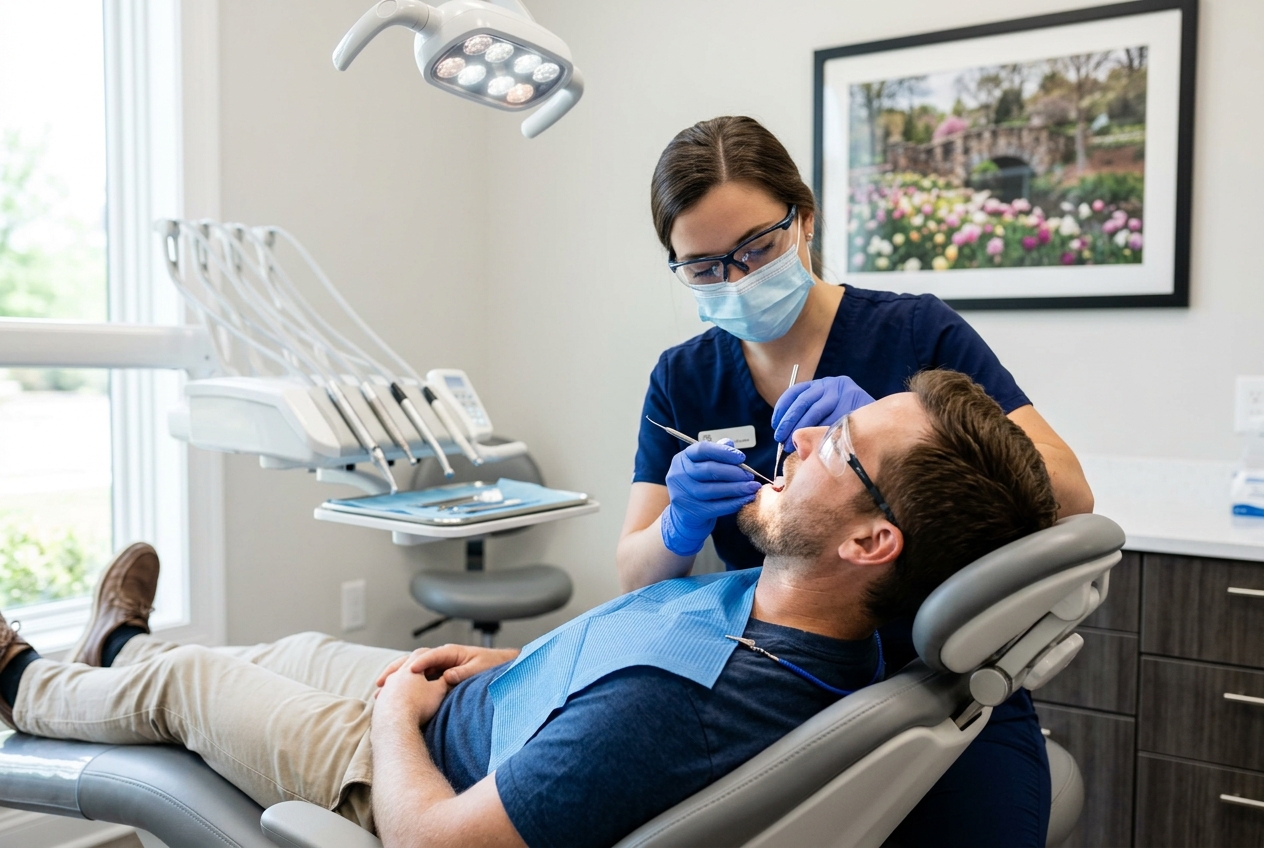
Even with excellent home care, professional cleanings are essential. Our dental hygienists can remove stubborn plaque and tartar that your toothbrush can't reach, and our dentists can identify and treat any underlying oral health issues like cavities or gum disease that contribute to bad breath. Regular visits allow for early detection and intervention, often preventing minor issues from becoming major problems.

When to Seek Professional Help
If you've tried improving your oral hygiene and lifestyle habits, but persistent bad breath continues to be a concern, it's time to visit a dental professional. Our experienced team at Piedmont Dental can accurately diagnose the cause of your bad breath and recommend the most appropriate course of treatment. We'll conduct a thorough examination of your mouth, gums, and tongue, and may even ask about your medical history and lifestyle to pinpoint the source.
Don't let bad breath diminish your confidence. Most cases are treatable, and with the right approach, you can enjoy a healthier, fresher mouth. If you're struggling with persistent bad breath, we encourage you to schedule an appointment with Piedmont Dental. Our goal is to provide you with personalized care and effective solutions to help you achieve long-lasting fresh breath and a vibrant smile.