Do you ever wake up with a sore jaw, a dull headache, or notice that your teeth look a bit flatter than they used to? These could be signs of bruxism, a common condition characterized by the grinding, clenching, or gnashing of teeth. While it often occurs unconsciously, particularly during sleep, bruxism can lead to a range of uncomfortable symptoms and serious dental problems if left unaddressed. Understanding the causes, recognizing the symptoms, and exploring effective solutions are crucial steps toward protecting your oral health and overall well-being.
What is Bruxism?
Bruxism refers to the involuntary grinding or clenching of teeth, typically without the person being aware they are doing it. It can happen both during the day (awake bruxism) and at night (sleep bruxism). Sleep bruxism is often considered a sleep-related movement disorder, and it can be quite forceful, putting significant stress on your teeth, jaw, and surrounding muscles. While occasional teeth grinding might not cause harm, chronic bruxism can lead to a host of complications over time.
Causes of Bruxism
The exact cause of bruxism isn't always clear, but it's often linked to a combination of physical, psychological, and genetic factors. Identifying potential triggers is the first step toward managing the condition.
Stress and Anxiety
One of the most common culprits behind bruxism is stress. Daily pressures, emotional tension, anger, and anxiety can all manifest as teeth grinding, particularly during sleep. The jaw muscles may clench involuntarily as a physical outlet for these emotional states.

Sleep Disorders
Bruxism is often associated with other sleep-related disorders, such as sleep apnea or snoring. Interruptions in breathing during sleep can trigger a clenching or grinding response as the body attempts to reopen the airway. Restless leg syndrome can also be a co-occurring condition.
Medications and Lifestyle Factors
Certain medications, particularly some antidepressants (e.g., SSRIs), can have bruxism as a side effect. Additionally, lifestyle choices like excessive consumption of caffeine, alcohol, or nicotine, especially close to bedtime, can exacerbate teeth grinding.
Misaligned Bite or Dental Issues
Sometimes, an improper bite (malocclusion) or missing teeth can contribute to bruxism. When teeth don't fit together correctly, the jaw muscles may work harder to find a comfortable position, leading to clenching or grinding. Dental restorations that are too high or uneven can also be a factor.
Other Factors
Age can play a role, as bruxism https://blogfreely.net/cionerdstl/dry-mouth-solutions-causes-and-how-piedmont-dental-can-help is common in young children but often resolves by adulthood. Personality type (aggressive, competitive, or hyperactive individuals) can also be linked. In some cases, a genetic predisposition may exist, with bruxism running in families.
Symptoms of Bruxism
Recognizing the signs of bruxism is crucial for seeking timely intervention. Many people don't realize they grind their teeth until a loved one points it out or a dentist identifies the wear and tear.
Dental Damage
The most direct impact of bruxism is on your teeth. You might notice flattened, fractured, chipped, or loose teeth. The enamel can wear away, exposing the softer dentin underneath, leading to increased sensitivity to hot or cold temperatures. Fillings and crowns can also be damaged or dislodged.
Jaw Pain and Dysfunction
Chronic clenching and grinding put immense strain on the temporomandibular joints (TMJ) and the surrounding muscles. This can result in jaw pain, stiffness, limited jaw movement, and a clicking or popping sound when you open or close your mouth. Headaches, particularly dull, constant headaches originating in the temples, are also common, especially upon waking.
Other Symptoms
Beyond dental and jaw issues, bruxism can cause facial pain, earaches (often mistaken for ear infections), and even indentations on the side of your tongue or damage to the inside of your cheek from biting. Sleep bruxism can also disrupt sleep for the grinder and their partner, leading to daytime fatigue.
Solutions and Treatment Options
The good news is that bruxism is treatable, and various strategies can help protect your teeth, alleviate symptoms, and address underlying causes. At Piedmont Dental, our team is dedicated to diagnosing and managing bruxism effectively, tailoring solutions to your specific needs.
Dental Interventions
Night Guards and Oral Splints
One of the most common and effective treatments for sleep bruxism is a custom-fitted night guard or oral splint. These devices, worn over your teeth, create a physical barrier that prevents direct tooth-on-tooth contact, protecting them from wear and tear. They also help to cushion the jaw muscles, reducing strain and tension. While over-the-counter options exist, a custom-made guard from Piedmont Dental offers superior comfort, fit, and protection.

Corrective Dental Work
If bruxism is caused or exacerbated by a misaligned bite or damaged teeth, corrective dental work may be recommended. This could involve adjusting the bite, replacing missing teeth, or using crowns or orthodontics to create a more balanced and functional bite. Addressing these structural issues can significantly reduce the tendency to grind.
Lifestyle Adjustments and Stress Management
Since stress is a major contributor, incorporating stress-reducing techniques into your daily routine can be highly beneficial. This might include meditation, yoga, deep breathing exercises, regular physical activity, or seeking counseling. Avoiding stimulants like caffeine and alcohol, especially in the hours leading up to bedtime, can also help relax your jaw muscles.
Behavioral Therapies
For awake bruxism, becoming aware of the habit and consciously relaxing your jaw can be helpful. Biofeedback, a technique that uses monitoring equipment to teach you to control muscle activity, can also be effective. Learning to position your tongue correctly (resting gently on the roof of your mouth with teeth slightly apart) can also prevent clenching.
Muscle Relaxation and Pain Relief
In some cases, your dentist might recommend specific exercises to stretch and relax the jaw muscles. Warm compresses applied to the jaw can also provide relief. For severe muscle spasms, short-term use of muscle relaxants might be considered, though this is typically a temporary measure.
When to See a Dentist
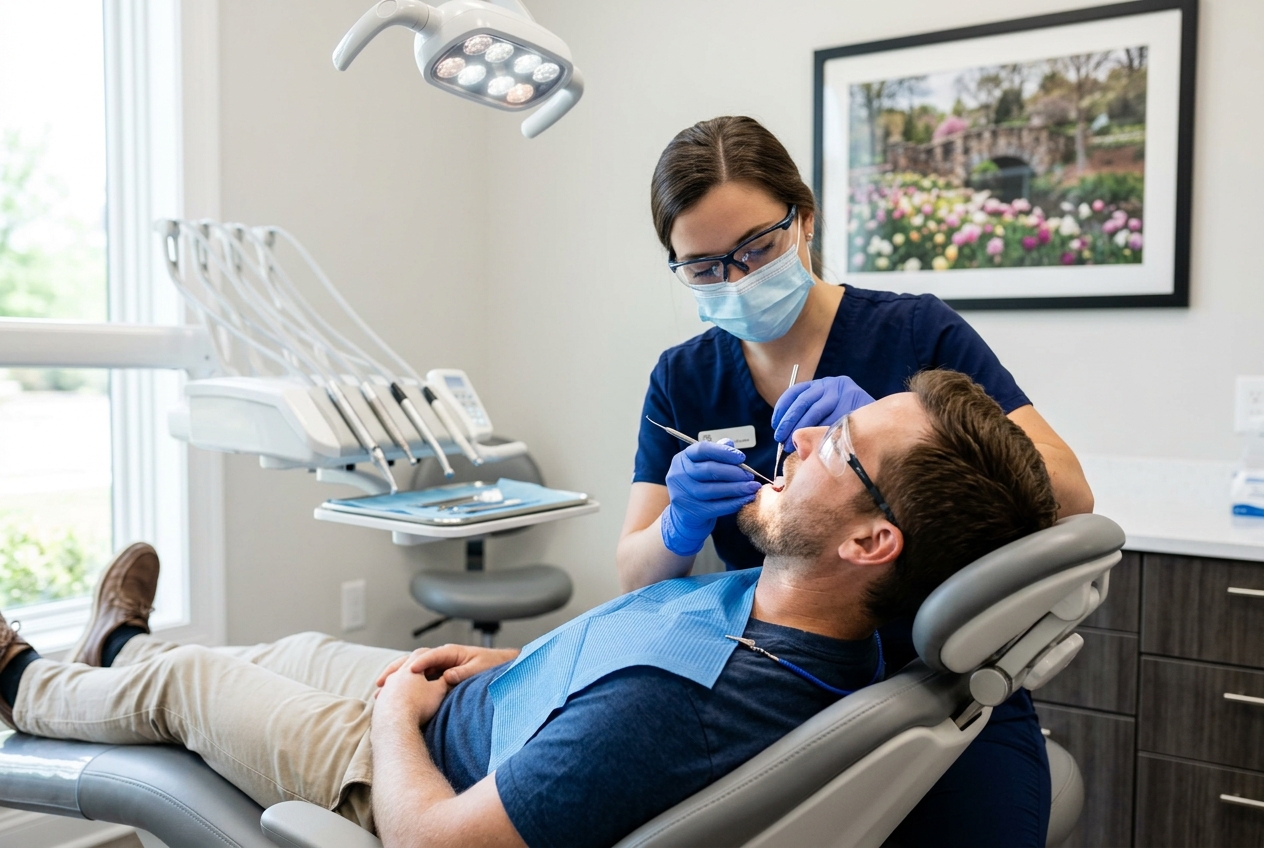
If you suspect you or a loved one might be grinding or clenching their teeth, don't wait for symptoms to worsen. Early diagnosis and intervention are key to preventing significant dental damage and chronic pain. Schedule an appointment with Piedmont Dental to discuss your concerns. Our experienced professionals can assess the condition of your teeth and jaw, identify the likely causes, and develop a personalized treatment plan to safeguard your smile and improve your comfort.
Bruxism is a manageable condition, and with the right approach, you can protect your teeth, relieve discomfort, and restore your quality of life. Don't let teeth grinding take a toll on your oral health – take the first step towards a solution today.