Designing a headstone for a loved one is a deeply personal process, often undertaken during a time of grief. It's natural to have many questions about the options available, the design process, and what to expect. Our aim is to provide clear, practical answers to some of the most common inquiries, helping you create a lasting and meaningful tribute.
What Types of Headstones and Memorials Are Available?
The world of memorialization offers a wide array of options to suit different preferences and cemetery regulations. Common types include:
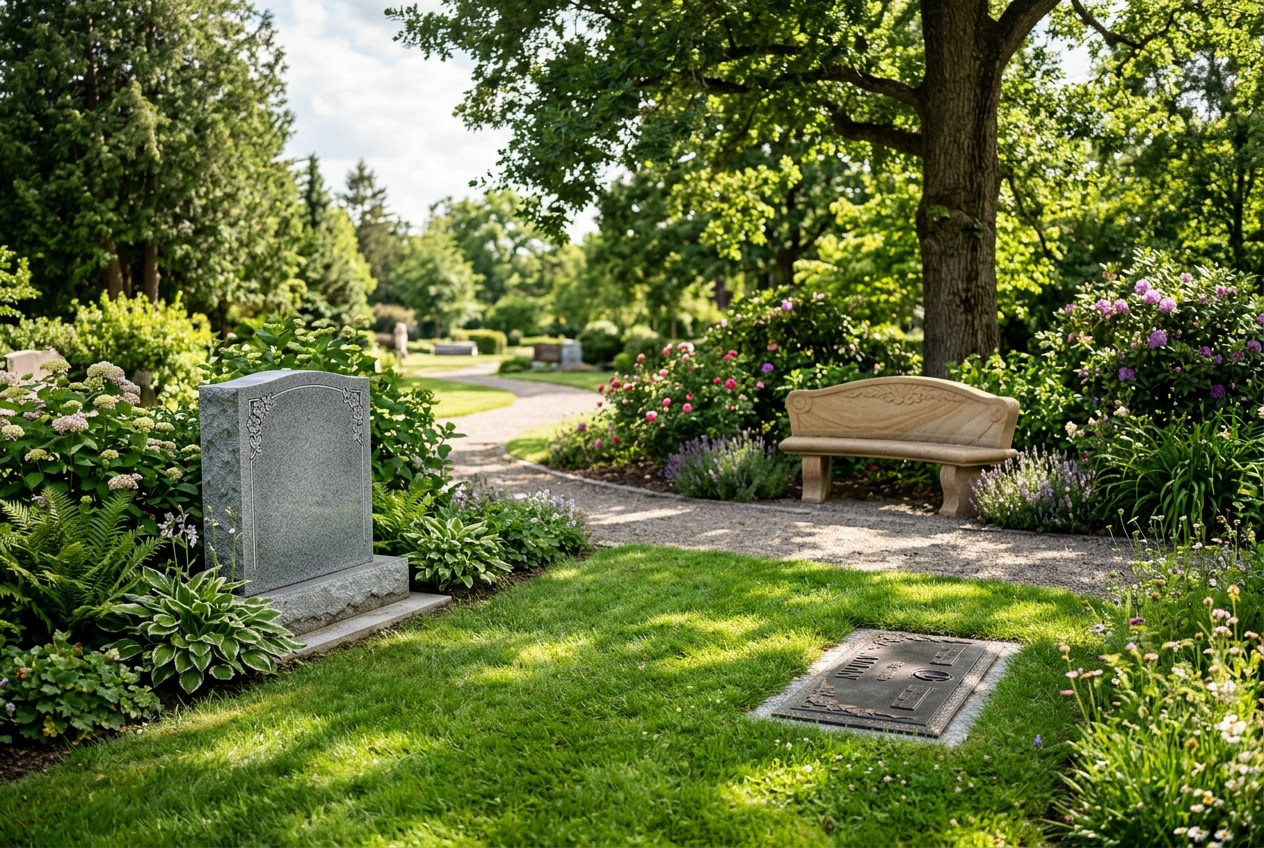
- Upright Monuments: These are traditional, standing stones, often featuring two pieces – a die (the upright stone) and a base. They offer ample space for inscriptions and designs.Flat Lawn Markers: Simple and understated, these stones lie flush with the ground. They are a popular choice for cemeteries that require a uniform appearance.Slant Markers: These memorials stand slightly above the ground with a face that slopes back, offering a good balance between visibility and a lower profile.Heart-Shaped Stones: Often chosen for their symbolic representation of love and affection, these can be upright or slant.Pet Memorials: Acknowledging the profound bond with animal companions, these smaller stones come in various shapes and sizes to honor beloved pets.Memorial Benches: Offering a place for quiet reflection, these functional and beautiful memorials can be personalized with names, dates, and inscriptions.
What Information and Symbols Can I Include?
A headstone serves as a permanent record and a personal message. You can include:
- Names and Dates: Typically the full name of the deceased, birth date, and date of passing. Sometimes nicknames or maiden names are added.Epitaphs and Inscriptions: Short verses, quotes, scripture, or personal messages that capture the essence of the individual's life or beliefs. These should be concise due to space limitations.Symbols and Emblems: These can be deeply personal, representing faith, hobbies, military service, organizational affiliations, or a love for nature. Common symbols include crosses, doves, anchors, flowers, and specific military insignia.Imagery: Etchings of scenes, portraits, or ceramic photos can add a very personal touch, bringing a visual element to the memorial.
How Do I Choose the Right Size and Material?
Choosing the right size and material involves both personal preference and practical considerations.
Size Considerations
Cemetery regulations are the primary factor here, as many cemeteries have specific size limits for different types of memorials. The number of names, dates, and the length of any epitaph will also influence the necessary space. Our tool, Headstone Designer, allows you to visualize how different letter heights and layouts will appear, helping you make informed decisions.
Material Choices
- Granite: By far the most popular choice, granite is incredibly durable, resistant to weathering, and comes in a wide range of colors (grays, blacks, reds, blues, greens). It's an excellent choice for longevity and versatility.Bronze: Often used for flat markers, bronze offers a classic, distinguished look and is very durable. It typically features raised lettering and emblems on a metal plaque.Marble: While beautiful, marble is softer than granite and can be more susceptible to weathering and staining over time. It's less commonly used for new headstones today.
What About Lettering, Fonts, and Design Customization?
The readability and aesthetic of the inscription are paramount. There are many font styles available, from traditional serif fonts to more modern sans-serif options. It's important to choose a font that is clear and legible, even from a distance.
Customization goes beyond just fonts. You can select unique borders, incorporate custom artwork, or arrange elements in a distinctive layout. Tools like Headstone Designer allow you to experiment with these options, seeing your design come to life visually before it's ever carved. You can adjust letter heights and see the dimensions in inches, ensuring the text is impactful and proportional.
What Is the Process from Design to Installation?
The journey from a blank stone to a finished memorial involves several key steps:
Design: This is where you bring your vision to life. Using an online tool like Headstone Designer can simplify this by letting you choose memorial types, add names, dates, epitaphs, and symbols, and arrange them to your satisfaction.Proofing: Once your design is complete, it's sent to your chosen monument company as a detailed proof sheet. This is a critical stage where you meticulously review every detail – spellings, dates, layout, and imagery. Nothing is cut until you, the family, provide your final written approval.Fabrication: After proof approval, the monument company begins the physical work of cutting, polishing, and engraving the stone according to your approved design.Installation: Once the headstone is crafted, it is then transported and expertly installed at the gravesite, adhering to all cemetery guidelines.How Long Does the Entire Process Take?
The timeline can vary significantly depending on the complexity of the design, the type of material, and the monument company's current workload. Generally, from the point of final proof approval to installation, the process can take anywhere from several weeks to a few months. It's always wise to inquire about estimated timelines with your monument company.
Are There Cemetery Regulations I Need to Be Aware Of?
Yes, absolutely. Cemetery regulations are crucial and vary widely from one cemetery to another. Before finalizing any design, it is imperative to check with the specific cemetery regarding their rules on:
- Type of memorial: Some allow only flat markers, while others permit uprights or benches.Size limits: Maximum dimensions for length, width, and height.Material restrictions: Certain materials might be prohibited.Installation requirements: Who is permitted to install the memorial.Foundation requirements: Rules regarding the base or foundation.
Always confirm these details early in the design process to avoid any potential complications or delays.
Conclusion
Designing a headstone is a profound act of remembrance. While it can feel overwhelming, understanding the common questions and processes involved can help you approach it with confidence and clarity. By utilizing tools that empower you to visualize and refine your design, and by working closely with your chosen monument company, you can https://pastelink.net/j5bndwgj create a beautiful and lasting tribute that truly honors your loved one's memory.