Dry mouth, medically known as xerostomia, is more than just an uncomfortable sensation; it's a condition where your salivary glands don't produce enough saliva to keep your mouth moist. While occasional dryness might be a minor inconvenience, persistent dry mouth can significantly impact your oral health, overall well-being, and quality of life. Saliva plays a crucial role in maintaining a healthy mouth, from aiding digestion and neutralizing acids to washing away food particles and fighting bacteria. When saliva production is low, these protective functions are compromised, leading to a host of potential problems.
Understanding the Causes of Dry Mouth
Identifying the root cause of dry mouth is the first step towards effective management. Many factors can contribute to reduced saliva flow, ranging from common medications to underlying health conditions.
Medications
One of the most frequent culprits behind dry mouth is medication. Hundreds of prescription and over-the-counter drugs list dry mouth as a side effect. These include, but are not limited to, antihistamines, decongestants, antidepressants, anti-anxiety medications, pain relievers, muscle relaxants, and drugs for high blood pressure. If you've recently started a new medication and noticed dry mouth, it's essential to discuss this with your doctor.
Medical Conditions
Several medical conditions can directly or indirectly lead to dry mouth. Autoimmune diseases like Sjögren's syndrome specifically target moisture-producing glands, including salivary glands. Diabetes, stroke, Alzheimer's disease, Parkinson's disease, and HIV/AIDS can also cause or exacerbate dry mouth. Nerve damage in the head or neck area, perhaps from https://privatebin.net/?7d84019533d98461#9kvuz1TF3a77zWA8cyn6km9BQ2XM49gnTQBiYWchzjUc an injury or surgery, can also impair salivary gland function.
Lifestyle Factors
Your daily habits can play a significant role. Smoking or chewing tobacco products can drastically reduce saliva production and irritate oral tissues. Regular consumption of alcohol and excessive caffeine intake are diuretics that can contribute to dehydration and, consequently, dry mouth. Mouth breathing, especially while sleeping, can also dry out the oral cavity.
Aging
While aging itself doesn't directly cause dry mouth, older adults are more prone to it due to a combination of factors: they often take more medications, may have more chronic health conditions, and their bodies' ability to produce saliva can naturally decrease over time.
Cancer Treatment
Patients undergoing cancer treatment, particularly radiation therapy to the head and neck region, often experience severe and sometimes permanent dry mouth due to damage to the salivary glands. Chemotherapy can also cause temporary dry mouth.
Dehydration
Simply not drinking enough fluids throughout the day can lead to a dry mouth. Fever, excessive sweating, vomiting, or diarrhea can all contribute to dehydration.
Symptoms and Risks of Persistent Dry Mouth
The symptoms of dry mouth extend beyond just a feeling of dryness. You might experience a sticky, thick, or stringy feeling in your mouth, difficulty speaking, chewing, or swallowing, a sore throat, hoarseness, or a burning sensation in your mouth. Other signs include bad breath (halitosis), altered sense of taste, and problems with wearing dentures.
The risks associated with untreated dry mouth are significant. Saliva is your mouth's natural defense mechanism. Without it, you are at a much higher risk for:
- **Tooth Decay:** Saliva washes away food particles and neutralizes acids produced by bacteria. Reduced saliva means food debris lingers longer, and acids erode enamel more easily, leading to rampant cavities.**Gum Disease (Gingivitis and Periodontitis):** The protective antimicrobial properties of saliva are diminished, allowing harmful bacteria to flourish and cause inflammation and infection of the gums.**Oral Infections:** Fungal infections, like oral thrush (candidiasis), are more common in individuals with dry mouth due to an imbalance in the mouth's natural flora.**Difficulty with Dentures:** Lack of saliva can make it challenging for dentures to stay in place, causing discomfort and sores.**Nutritional Deficiencies:** Difficulty chewing and swallowing can lead to poor food intake and inadequate nutrition.
When to Seek Professional Help
If you're experiencing persistent dry mouth, it's crucial to consult with a dental professional. Don't dismiss it as a minor annoyance; it's a sign that your oral health could be at risk. Our team at Piedmont Dental understands the complexities of dry mouth and is equipped to help you find relief.
How Piedmont Dental Can Help
At Piedmont Dental, our approach to dry mouth solutions is comprehensive, focusing on identifying the cause and providing personalized treatment strategies to protect your oral health and improve your comfort.
Thorough Diagnosis and Identification of Causes
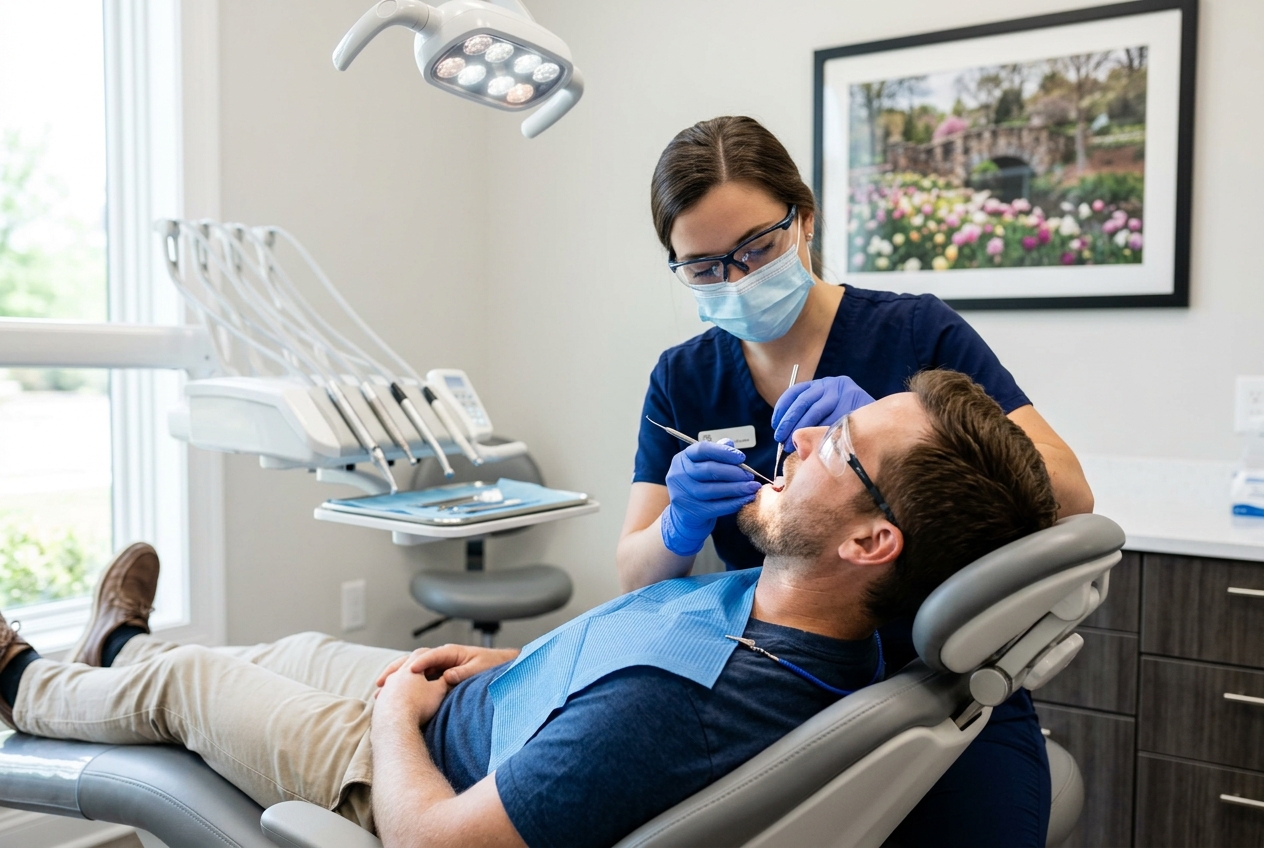
When you visit us with concerns about dry mouth, our team will conduct a thorough examination of your mouth, gums, and tongue. We'll discuss your medical history, including any medications you're taking, and inquire about your lifestyle habits. This detailed assessment helps us pinpoint the likely cause of your dry mouth and rule out other conditions.
Personalized Treatment Strategies
Once we understand the underlying factors, we'll work with you to develop a tailored treatment plan. Our solutions may include:
- **Saliva Stimulants and Substitutes:** We can recommend or prescribe products designed to stimulate saliva flow or provide artificial saliva to keep your mouth moist.**Fluoride Treatments:** To combat the increased risk of cavities, we often recommend professional fluoride applications and prescribe high-fluoride toothpaste or rinses for at-home use.**Lifestyle and Dietary Advice:** We'll provide guidance on how to modify your diet, hydration habits, and other lifestyle factors to mitigate dry mouth symptoms. This includes advice on avoiding irritants like caffeine, alcohol, and tobacco.**Addressing Underlying Issues:** In cases where dry mouth is linked to a medical condition or medication, we can collaborate with your primary care physician or specialists to explore options, such as adjusting medication dosages or managing the underlying disease more effectively.**Regular Monitoring:** Ongoing check-ups allow us to monitor your oral health, adjust your treatment plan as needed, and ensure your dry mouth is managed effectively.
Tips for Managing Dry Mouth at Home
In addition to professional treatment, several home remedies and habits can help alleviate dry mouth symptoms:
- **Sip Water Frequently:** Keep a bottle of water handy and take sips throughout the day to keep your mouth moist.**Chew Sugar-Free Gum or Suck on Sugar-Free Candies:** These can stimulate saliva flow. Choose products sweetened with xylitol, which has added dental benefits.**Use a Humidifier:** Running a humidifier in your bedroom, especially at night, can help add moisture to the air and prevent your mouth from drying out.**Avoid Caffeine, Alcohol, and Tobacco:** These substances can worsen dry mouth.**Use Over-the-Counter Oral Moisturizers:** Sprays, rinses, and gels specifically designed for dry mouth can provide temporary relief.**Practice Excellent Oral Hygiene:** Brush twice a day with a fluoride toothpaste and floss daily to protect against cavities and gum disease, which are heightened risks with dry mouth.
Don't let dry mouth compromise your oral health and comfort. If you're struggling with persistent dry mouth, our dedicated team at Piedmont Dental is here to provide the expertise and personalized care you need. We are committed to helping you achieve a healthier, more comfortable mouth. Contact us today to schedule a consultation and explore the solutions that are right for you.