Pregnancy is a remarkable journey, bringing with it a myriad of changes to your body. While much attention is rightly paid to nutrition, prenatal vitamins, and overall physical health, one area often overlooked is oral hygiene. However, maintaining excellent dental health during pregnancy is not just about you; it's also crucial for the well-being of your developing baby. Hormonal shifts, dietary changes, and even morning sickness can all impact your oral health, making expectant mothers more susceptible to certain dental issues. Understanding these changes and how to manage them is key to a healthy smile throughout your pregnancy and beyond.
Why Oral Health Matters During Pregnancy
The hormonal fluctuations, particularly increased levels of progesterone and estrogen, can lead to heightened sensitivity in your gums. This https://green-exterior-remodeling.almoheet-travel.com/streamlining-family-dental-care-tips-for-busy-rock-hill-families can make them more prone to inflammation and bleeding, a condition often referred to as 'pregnancy gingivitis.' If left unaddressed, pregnancy gingivitis can progress to more serious gum disease, known as periodontitis, which has been linked to adverse pregnancy outcomes such as preterm birth and low birth weight. Beyond gum health, changes in diet, increased acid exposure from morning sickness, and even altered saliva composition can contribute to a higher risk of cavities and tooth erosion. Taking proactive steps to protect your oral health is therefore an essential part of comprehensive prenatal care.
Common Oral Health Challenges Expectant Mothers Face
Pregnancy Gingivitis
As mentioned, this is very common. Your gums may appear redder, swell, and bleed easily when you brush or floss. It usually appears in the second trimester and often resolves after delivery, but diligent care is needed to prevent it from worsening.
Periodontitis
If gingivitis isn't controlled, it can advance to periodontitis, a more severe infection that affects the bone supporting your teeth. This can lead to tooth loss and has systemic health implications.
Tooth Erosion and Cavities
Frequent morning sickness and reflux expose your teeth to stomach acids, which can erode enamel. Cravings for sugary or starchy foods, coupled with potentially less diligent brushing due to fatigue or nausea, can also increase the risk of developing cavities.
Loose Teeth
While less common, some women may experience slightly loose teeth due to hormonal effects on the ligaments and bones that support them. This usually resolves after pregnancy.
Essential Oral Hygiene Tips for Pregnant Mothers
Maintaining a rigorous yet gentle oral hygiene routine is paramount during this time. Our team at Piedmont Dental - Dentist in Rock Hill understands these unique challenges and can provide tailored advice.
Brush Twice Daily
Use a soft-bristled toothbrush and fluoride toothpaste. Brush gently for two minutes, covering all surfaces of your teeth and gums. If brushing triggers nausea, try switching to a bland-tasting toothpaste, using a smaller brush head, or brushing at a different time of day.
Floss Daily
Flossing removes plaque and food particles that your toothbrush can't reach, especially between teeth and along the gumline. This is vital for preventing gingivitis.

Rinse After Morning Sickness
If you experience morning sickness, resist the urge to brush immediately after vomiting. Stomach acid can temporarily soften tooth enamel, and brushing too soon can cause erosion. Instead, rinse your mouth thoroughly with water or a fluoride mouthwash to neutralize the acid. You can also mix a teaspoon of baking soda in a cup of water for an effective rinse.
Choose a Healthy Diet
Limit sugary snacks and drinks. Opt for nutrient-rich foods that support both your overall health and your oral health, such as fresh fruits, vegetables, dairy products, and lean proteins. Remember, what you eat impacts your baby's developing teeth and bones too.
Consider a Fluoride Mouthwash
A fluoride mouthwash can provide an extra layer of protection against cavities, especially if you're experiencing increased acid exposure or sugar cravings. Ask your dentist for a recommendation.
Dental Visits During Pregnancy: What You Need to Know
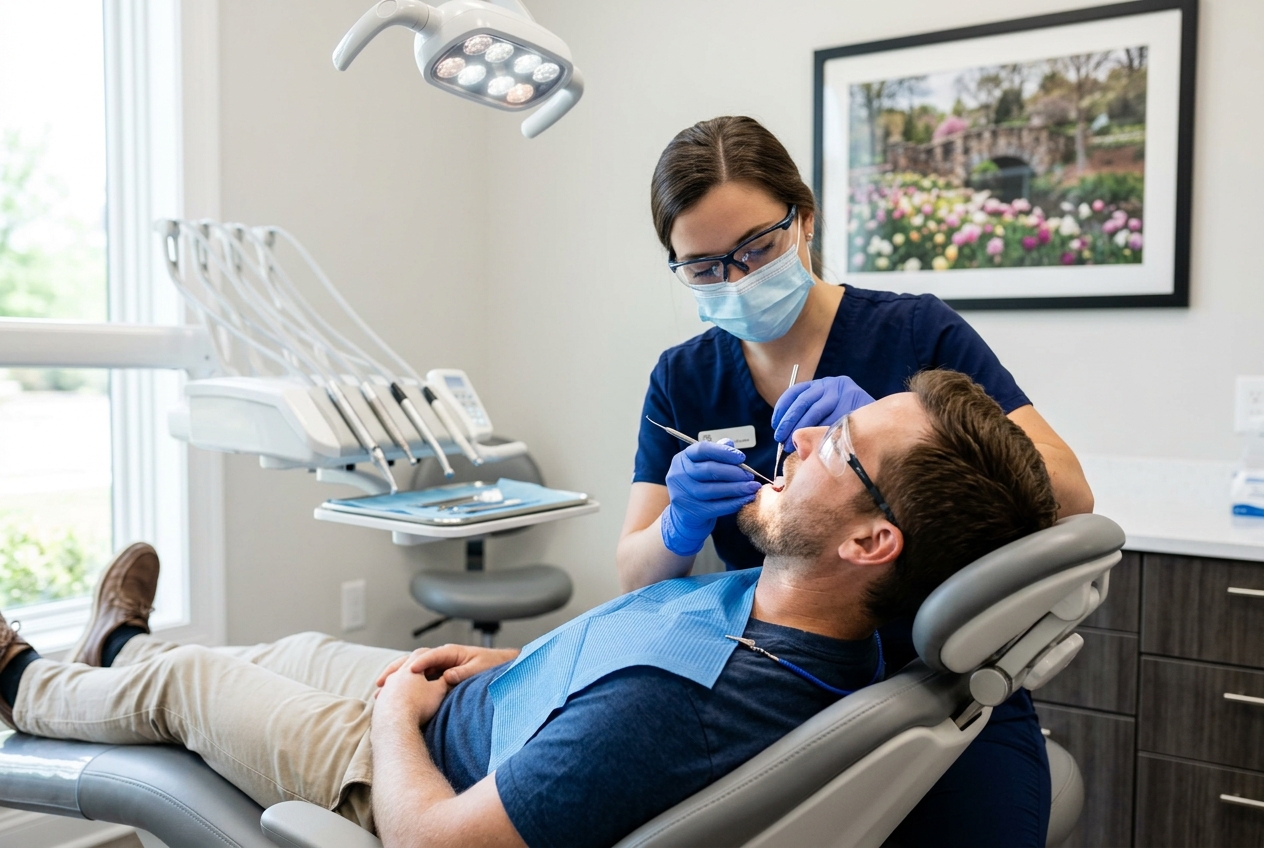
It's perfectly safe and highly recommended to continue your regular dental check-ups and cleanings during pregnancy. In fact, many dentists advise scheduling an appointment early in your pregnancy to address any existing issues and receive personalized advice. Be sure to inform us at Piedmont Dental - Dentist in Rock Hill about your pregnancy, its stage, and any medications you are taking or health conditions you have. This allows us to make appropriate adjustments to your treatment plan.
Dental Procedures During Pregnancy
- Routine Cleanings and Exams: These are safe and encouraged. Fillings and Crowns: Generally safe to perform, especially during the second trimester. Local anesthesia is considered safe. X-rays: With modern digital X-rays and appropriate shielding (lead apron), dental X-rays are considered safe when necessary. Your dentist will take precautions to minimize exposure. Emergency Treatment: Any urgent dental issues, like infections or severe pain, should be addressed promptly to protect both your health and your baby's. Elective Procedures: Cosmetic procedures like teeth whitening are generally best postponed until after delivery.
Maintaining a radiant smile throughout your pregnancy is an achievable goal with proper care and attention. By prioritizing your oral hygiene and communicating openly with your dental provider, you can navigate this special time with confidence, ensuring both your oral health and the health of your baby are in the best possible condition.