When we choose a memorial for a loved one, we are not just selecting a marker; we are crafting a lasting tribute, a tangible symbol of remembrance that will stand for generations. The material chosen for a memorial plays a profound role in its aesthetic, durability, and how it will age gracefully over time. Understanding the unique characteristics of different memorial stone types can help families make a choice that truly reflects the spirit of the individual and offers lasting comfort. Let's explore the beauty and strength inherent in these enduring materials.
Granite: The Enduring Classic
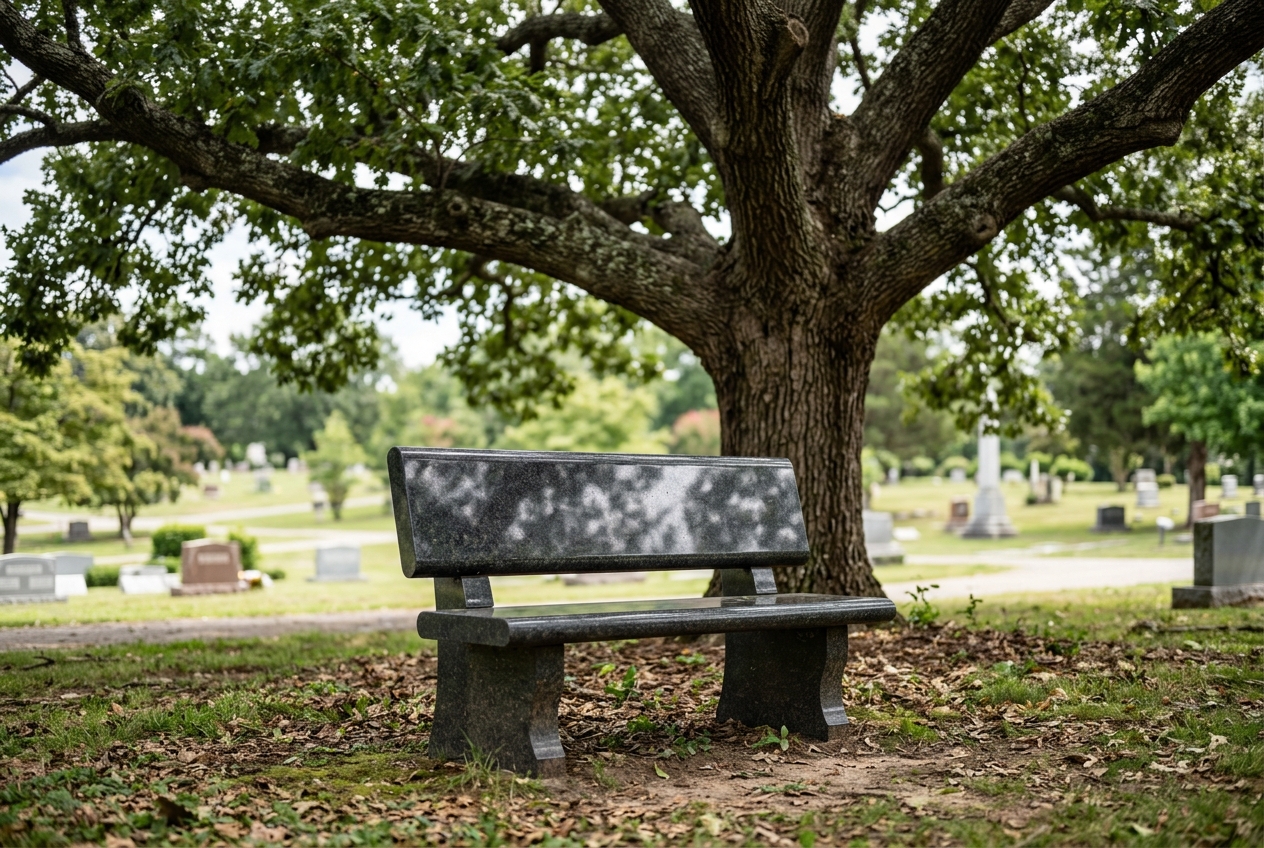
Granite stands as the most popular choice for memorials, and for good reason. Formed from cooled magma deep within the Earth, this igneous rock is celebrated for its incredible hardness, density, and resistance to the elements. Its crystalline structure makes it highly durable against extreme weather, erosion, and scratching, ensuring that inscriptions and designs remain clear and legible for centuries. Granite offers a stunning palette of colors, ranging from classic grays and blacks to vibrant reds, deep greens, and serene blues, each with its own unique speckling and veining. This diversity allows for a deeply personal expression, whether a family prefers a somber, reflective tone or a brighter, more vibrant tribute.
Customization and Finishes
The strength of granite also allows for remarkable versatility in design. It can be polished to a mirror-like sheen, revealing its full depth of color and natural beauty, or given a matte, sandblasted finish for a softer appearance. Skilled artisans can carve intricate details, etch lifelike portraits, or engrave heartfelt messages with precision. This ability to be highly customized means that each granite memorial can be a unique piece of art, perfectly capturing the essence and story of the person it honors. Its low maintenance requirements further add to its appeal, as it typically needs only occasional cleaning to retain its dignified presence.
Marble: A Timeless Elegance
For centuries, marble has been revered for its luminous beauty and classic appeal. This metamorphic rock, known for its softer appearance and often dramatic veining, lends memorials an air of serene elegance and artistry. Historically favored in statuary and monumental architecture, marble memorials often possess a delicate, almost ethereal quality. Its translucent nature can give it a unique glow, and its creamy whites, grays, and occasional subtle color variations evoke a sense of timeless peace.
Care and Preservation
While exquisitely beautiful, marble is a softer stone than granite and is more susceptible to the effects of weathering, particularly acid rain and pollution. Over many decades, marble can soften, and inscriptions may become less defined as the surface erodes. For some, this natural aging process, developing a gentle patina, adds to its historical charm. For families considering marble, understanding its https://blogfreely.net/cionerdstl/celebrating-a-life-beyond-the-traditional-headstone characteristics and potential for natural erosion is key. While it may require more care and attention over the very long term than granite, its unparalleled aesthetic appeal continues to make it a cherished choice for those seeking a memorial of classic grace.
Bronze: A Distinguished and Durable Choice
Bronze memorials, typically cast as plaques or markers, offer a distinct and distinguished alternative, often set flush with the ground or mounted on a granite base. Bronze, an alloy primarily of copper and tin, is renowned for its exceptional durability and resistance to corrosion. Over time, bronze develops a beautiful, rich patina, transitioning from a shiny metallic luster to warm, earthy tones of brown and green, which only enhances its timeless character. This natural aging process requires very little maintenance, making it an excellent choice for longevity.
Bronze markers provide a different aesthetic from stone, often conveying a sense of grounded stability and historical gravitas. They can be intricately designed with emblems, text, and even portraits, offering a sophisticated and enduring tribute. Many cemeteries have sections specifically for bronze markers, valuing their uniform appearance and lasting quality.
Beyond the Mainstays: Exploring Other Options
While granite, marble, and bronze are the most common choices, other materials are occasionally chosen for their unique properties and aesthetic. Fieldstone, for example, offers a rugged, natural, and earthy appeal, often chosen for its organic shape and connection to the landscape. Sandstone, another sedimentary rock, provides softer, warmer tones and can be carved, though it is also softer than granite and more susceptible to weathering. Newer composite materials are also emerging, offering various finishes and properties. The beauty of choosing a memorial is its deeply personal nature; the right material is ultimately one that resonates most profoundly with the family and best honors the individual's memory.
Navigating Your Choice: A Thoughtful Decision
The decision of which memorial stone type to choose is a significant one, often made during a time of grief. It involves balancing aesthetic preferences, desired durability, maintenance considerations, and often, specific cemetery regulations and budget. Each material tells a different story and possesses its own unique qualities that contribute to the lasting legacy it creates. There is no single