Since the dawn of human civilization, there has been a profound need to remember those who have passed. This desire manifests in many forms, but one of the most enduring and personal is the headstone inscription. More than just names and dates, these words etched in stone tell stories, express love, and provide comfort across generations. Understanding their evolution helps us appreciate the significance of choosing the right words today.
Ancient Roots: Early Memorialization
The practice of marking burial sites is ancient. Early civilizations used simple stones or mounds to denote where someone was laid to rest. The first inscriptions were often basic, perhaps a name or a symbol identifying the deceased's family or status. Ancient Egyptians carved hieroglyphs on steles, detailing the life and achievements of pharaohs and nobles, often with prayers for the afterlife. The Romans, too, were prolific in their tomb inscriptions, known as epitaphs, which could range from simple acknowledgments to elaborate poetic tributes, sometimes even including warnings or boasts about the deceased's virtues.
Medieval and Renaissance Influences
With the spread of Christianity in the Middle Ages, headstone inscriptions often took on a more religious tone. Latin was common, with phrases like "Requiescat in Pace" (Rest in Peace), often abbreviated to R.I.P., becoming widespread. The focus was less on worldly achievements and more on spiritual devotion and the hope of eternal life. As the Renaissance dawned, there was a gradual shift towards more personal and biographical details. Surnames became more common, along with birth and death dates, allowing for a clearer identification of the individual. Poetry and personal expressions of grief began to appear, reflecting a changing cultural view of death and remembrance.
The Victorian Era: Elaborate Tributes
The 19th century, particularly the Victorian era, saw a boom in elaborate headstone designs and inscriptions. Symbolism was rich, with weeping willows, doves, hands clasped, and angels frequently carved into stone. Inscriptions often became lengthy, using flowery language and detailed verses to extol the virtues of the deceased, mourn their loss, and celebrate their family lineage. This period showcased a deep cultural engagement with grief and remembrance, often with a focus on capturing the essence of a person's character and their place within the community. The craftsmanship in stone carving also reached new heights, allowing for intricate lettering and detailed imagery.
Modern Simplicity and Personalization
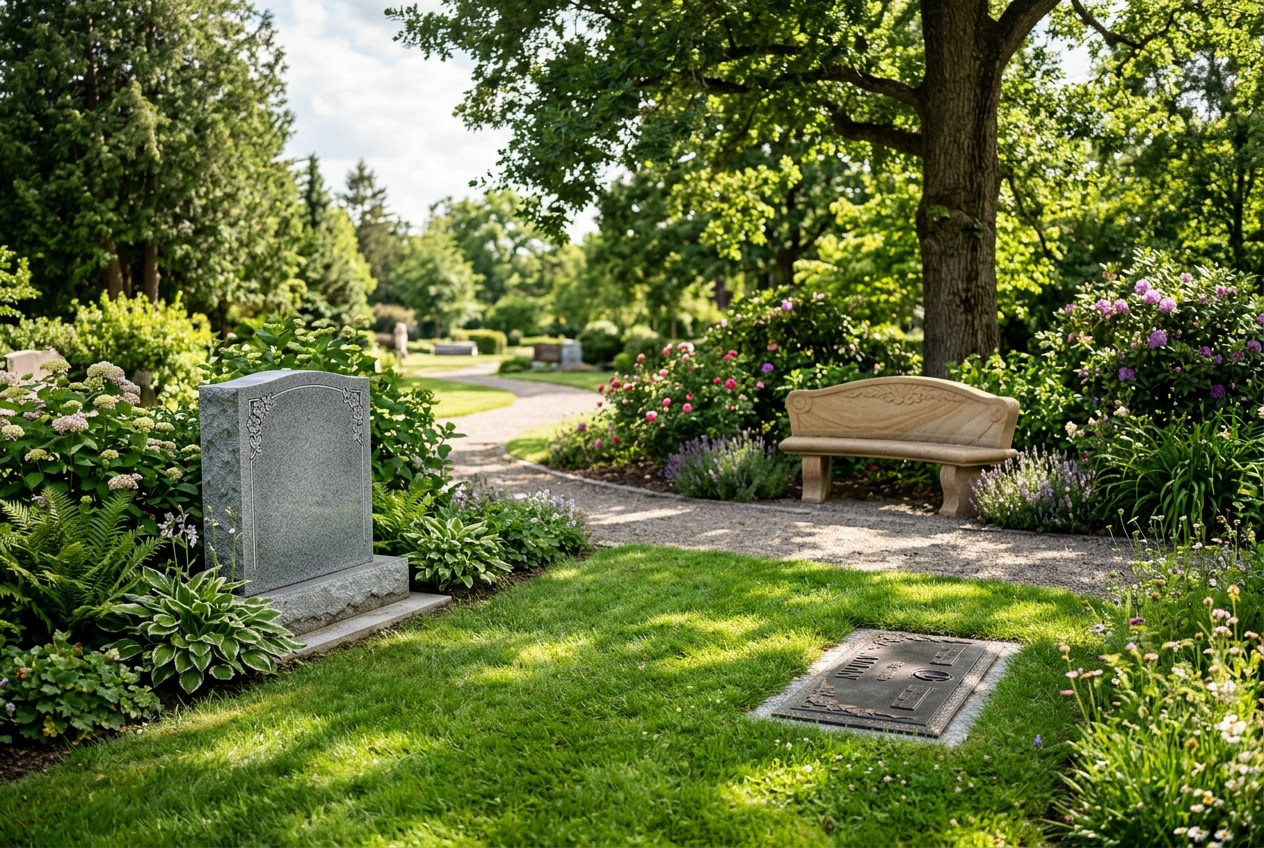
The 20th century brought significant changes to headstone inscriptions. The two World Wars, in particular, led to a more standardized and often concise approach, emphasizing service and sacrifice. While religious elements remained, there was a general move towards simpler, more direct messages. Post-war, as society became more mobile and diverse, inscriptions continued to evolve. The latter half of the 20th century and into the 21st has seen a strong trend towards personalization. Families now often choose to include hobbies, professions, beloved quotes, or unique phrases that truly capture the spirit of their loved one.
The Digital Age: Designing Inscriptions Today
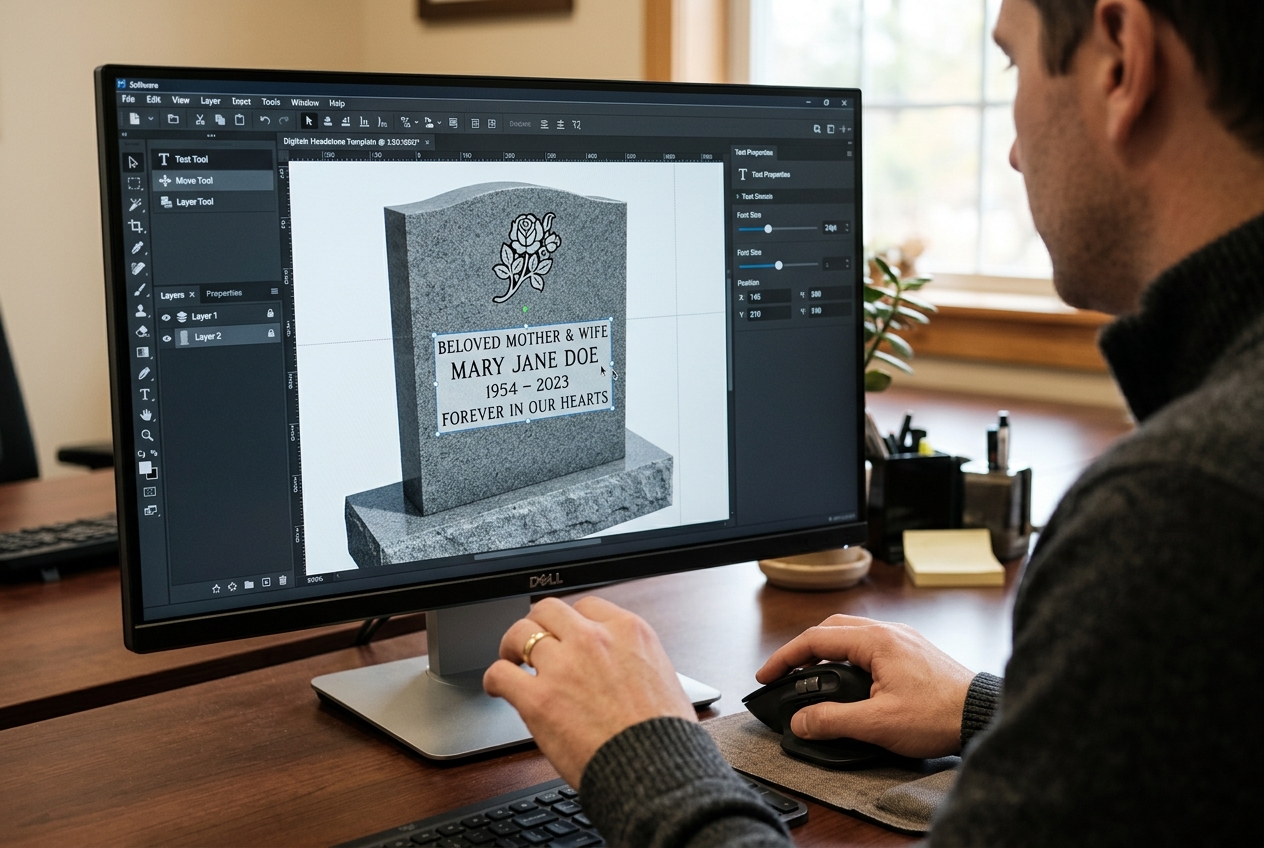
Today, the process of designing a headstone inscription combines timeless tradition with modern technology. Families have a vast array of choices, from traditional upright monuments and flat lawn markers to unique heart-shaped stones, pet memorials, and even memorial benches. The inscriptions themselves can vary widely, incorporating different fonts, letter heights, and symbols. Tools like **Headstone Designer** empower families to visualize these options precisely. Our online platform allows you to experiment with names, dates, epitaphs, and symbols, showing letter heights in inches, ensuring that every detail is just right before anything is carved.
This digital evolution makes the design process more accessible and transparent. Whether you're choosing a classic epitaph or a modern, custom message, you can see how it will appear on the stone. This capability is not just for families; monument companies also utilize an embeddable version of **Headstone Designer** on their own websites, streamlining their design process and offering a superior experience to their clients.
Crafting a Lasting Message
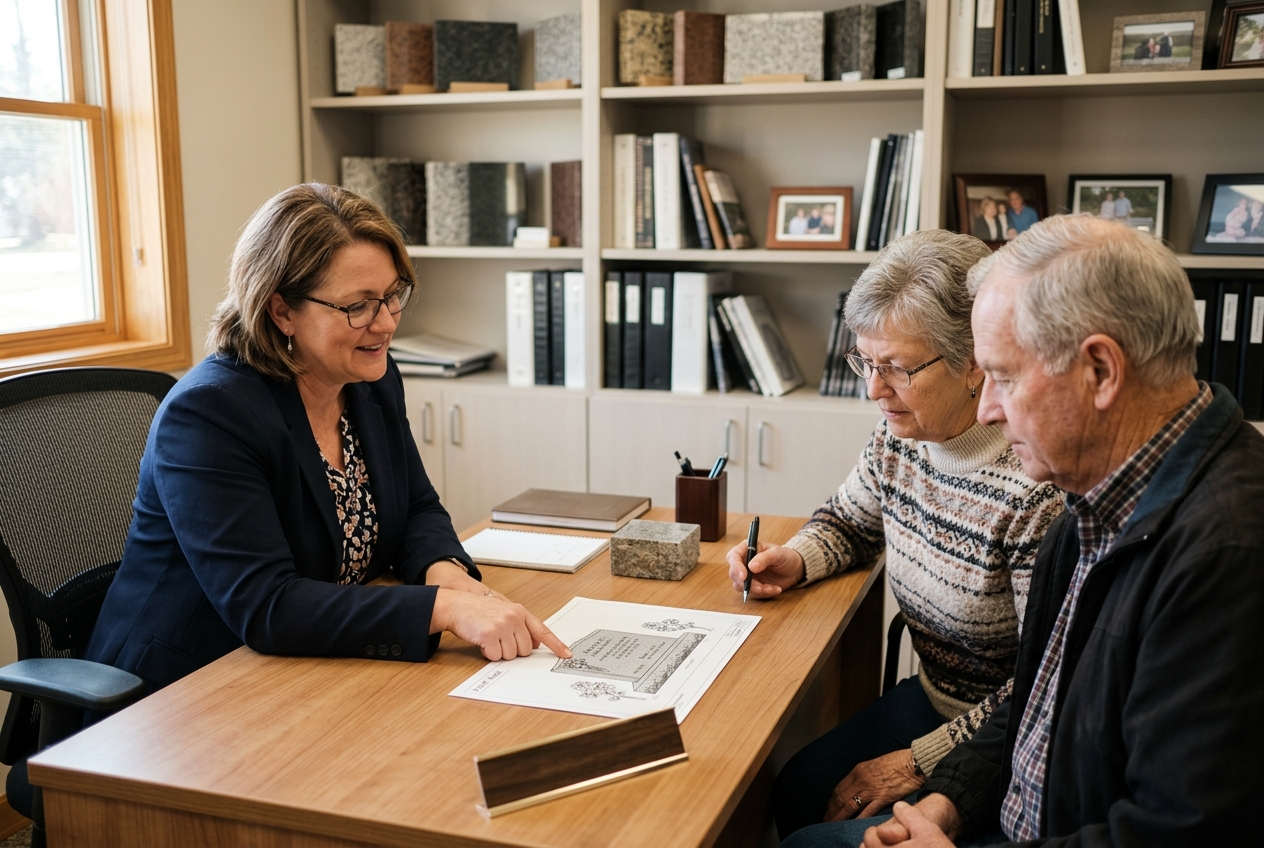
When creating a headstone inscription today, consider what truly represents the individual. Is it a favorite saying, a simple declaration of love, or an acknowledgment of their impact on the world? The most meaningful inscriptions are often concise yet powerful. Accuracy is paramount, as these words will endure for generations. Our team at **Headstone Designer** understands the importance of this choice and aims to provide a respectful and practical tool to help you craft a lasting tribute. No stone is cut until the family has signed off on a final proof, ensuring peace of mind and precision.
Conclusion
From the earliest marks on ancient steles to the personalized, digitally designed tributes of today, headstone inscriptions have always served a fundamental human need: to remember and to honor. They are not merely records but enduring messages that connect us to the past, comfort us in the present, and offer a legacy for the future. The evolution of these https://headstonedesigners.com/design-your-own-headstone/ inscriptions reflects changing societal values, artistic trends, and technological advancements, all while maintaining their core purpose as a profound expression of love and remembrance.