Children often have a natural affinity for sweet tastes, and sugary drinks are a common treat. From fizzy sodas to seemingly innocuous fruit juices, these beverages are widely available and marketed to appeal to young palates. While they offer momentary flavor, the long-term impact of sugary drinks on a child’s dental health can be surprisingly severe and lasting. Understanding these effects is the first crucial step for parents in safeguarding their children's smiles and overall well-being. At Piedmont Dental, our team is committed to educating families about preventive care and helping children develop healthy oral habits that last a lifetime.

The Science Behind the Sweet Damage
In a child's mouth, sugars from drinks feed harmful bacteria. These bacteria produce acids that attack tooth enamel, the protective outer layer. Repeated acid attacks demineralize and weaken enamel, eventually forming cavities. Every sip exposes teeth to this acid bath, and the more frequently children consume these beverages, the greater the risk. Children's primary (baby) teeth have thinner enamel, making them even more vulnerable to rapid decay compared to adult teeth.
Common Sugary Culprits
It’s easy to identify obvious offenders like regular soda, but many parents might not realize the hidden sugars lurking in other popular beverages. Here’s a breakdown:
Sodas, Energy, and Sports Drinks
These are notorious for high sugar and acid content, creating a double whammy for enamel. Energy and sports drinks, often marketed as performance enhancers, are generally not recommended for children due to their extreme sugar levels and other health concerns. Water is almost always the better choice for hydration during physical activity.
Fruit Juices and Flavored Milks
Even "100% juice" can contain as much sugar as soda, often without the beneficial fiber of whole fruit. While milk provides essential calcium, flavored versions (like chocolate or strawberry milk) introduce added sugars. Opting for plain milk and limiting juice to small amounts with meals, or diluting it with water, can significantly reduce risk.
Sweetened Teas and Coffees
Many pre-packaged or cafe-bought iced teas and coffee beverages are packed with added sugars, sometimes rivaling sodas in sugar content. These "grown-up" drinks can be just as detrimental to young teeth.
Beyond Cavities: Broader Health Risks
The impact of sugary drinks extends beyond just cavities. Frequent consumption can lead to increased tooth sensitivity and contribute to gum inflammation (gingivitis). On a broader health scale, high sugar intake from beverages is a significant contributor to childhood obesity and type 2 diabetes. The link between oral health and overall systemic health is well-established, meaning that poor dental health due to sugary drinks can have ripple effects throughout a child's body.
Practical Strategies for Parents
Empowering parents with actionable strategies is key to protecting children’s teeth:
Prioritize Water and Plain Milk
Make water the primary beverage choice for your children throughout the day. It’s essential for hydration and completely sugar-free. Plain milk is another excellent option, providing vital calcium and vitamin D without added sugars. Keep water easily accessible.
Read Labels Carefully
Become a label detective. Sugars hide under many names: sucrose, glucose, fructose, high-fructose corn syrup, maltose, dextrose, corn syrup solids, and more. Choose beverages with minimal or no added sugars.
Limit Frequency and Quantity
Treat sugary drinks as an occasional indulgence, not an everyday staple. Limit them to meal times, as increased https://gxr-remodeling.trexgame.net/mini-vs-standard-dental-implants-which-option-is-right-for-you saliva flow helps wash away sugars and acids. Avoid prolonged sipping throughout the day, which prolongs acid attacks on teeth.
Promote Excellent Oral Hygiene
Ensure your child brushes their teeth twice daily for two minutes with fluoride toothpaste and flosses daily. After consuming a sugary drink, rinsing with water can help. However, wait at least 30 minutes before brushing after acidic drinks to avoid further eroding softened enamel.

Regular Dental Check-ups
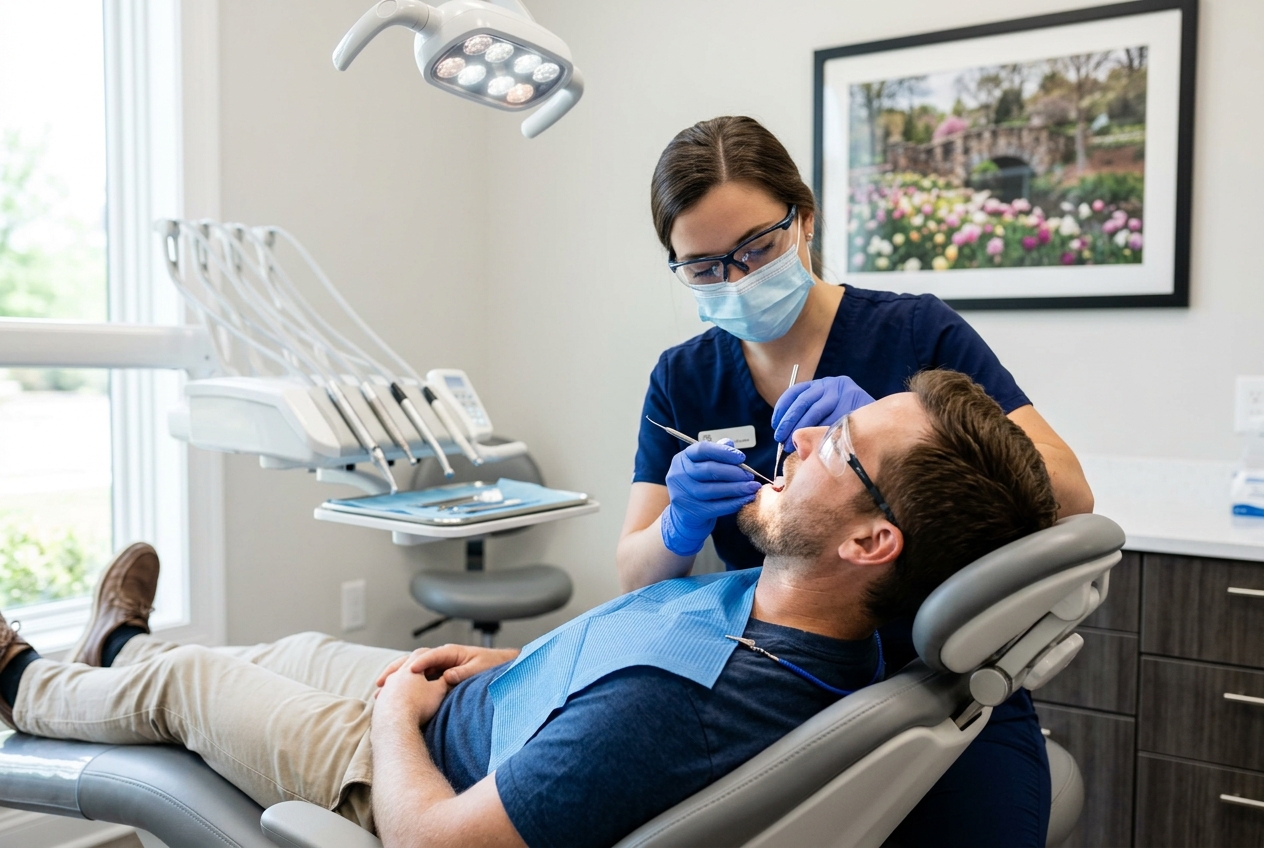
Consistent professional dental care is indispensable. Regular check-ups and cleanings allow our team to monitor your child's oral health, identify early signs of decay, and provide preventive treatments like fluoride applications and dental sealants. The dedicated team at Piedmont Dental is here to provide comprehensive care and guide you through every stage of your child's dental development.
When to Seek Professional Help
If you notice any signs of dental problems in your child, such as toothaches, sensitivity, visible spots or holes on teeth, or swollen gums, seek professional dental attention promptly. Early intervention can prevent minor issues from becoming major problems. Our team can assess the situation, provide appropriate treatment, and offer further guidance. Don't hesitate to reach out to Piedmont Dental for personalized advice and to schedule your child's next visit; we are always ready to help protect those precious smiles.
Conclusion
The battle against sugary drinks and their impact on children's dental health is one parents can win with knowledge and proactive choices. By understanding the risks, identifying culprits, and implementing practical strategies, you can significantly reduce your child's risk of cavities and other dental issues. Prioritizing water, limiting sugary treats, diligent oral hygiene, and regular dental visits are the cornerstones of a healthy smile. Let's work together to ensure our children enjoy strong, healthy teeth for a lifetime.