Welcoming a new baby into your life is an incredible journey filled with firsts. From their first smile to their first steps, each milestone is cherished. Among these important firsts, ensuring their oral health often raises questions for new parents: When is the right time to start brushing a baby's teeth? It's a common query, and the answer might be earlier than you think. Establishing good oral hygiene habits from the very beginning sets the foundation for a lifetime of healthy smiles. Let's explore the best practices for caring for your baby's developing teeth and gums.
The Crucial First Step: When to Begin Brushing
The general recommendation from dental professionals, including our team at Piedmont Dental, is to start brushing your baby’s teeth as soon as the very first tooth erupts. This typically occurs around six months of age, though it can vary widely from baby to baby. Some infants might sprout their first tooth as early as three months, while others might not show one until after their first birthday. Regardless of the exact timing, that tiny pearl of a tooth signals the moment to introduce regular brushing into your daily routine.
Before the First Tooth: Gentle Gum Care
Even before that inaugural tooth makes its appearance, you can begin fostering good oral hygiene habits. Wiping your baby's gums daily, preferably after feedings and before bedtime, is a simple yet effective practice. You can do this using a clean, damp washcloth or a soft silicone finger brush. This not only helps to remove milk residue and bacteria but also familiarizes your baby with the sensation of having their mouth cleaned, making the transition to brushing later on much smoother.
Choosing the Right Tools for Little Smiles
Once the first tooth emerges, it’s time to upgrade from a washcloth to a baby-specific toothbrush. Look for a toothbrush with a very small head and extra-soft bristles, designed to be gentle on delicate gums and emerging teeth. These brushes are often brightly colored and may have an easy-to-grip handle for parents.
Regarding toothpaste, the guidelines have evolved. The American Dental Association (ADA) now recommends using a tiny smear of fluoride toothpaste – about the size of a grain of rice – for children under three years old. For children aged three to six, a pea-sized amount is appropriate. Fluoride is a crucial mineral that helps strengthen tooth enamel and prevent cavities. While historically there was concern about fluoride ingestion in infants, the minimal amount used for brushing is safe and highly beneficial. Always supervise your child to ensure they don't swallow too much toothpaste.
Mastering the Baby Brushing Technique
Brushing a baby’s teeth requires a gentle touch and a bit of patience. Place your baby in a comfortable position, perhaps in your lap, so you can clearly see their mouth. Use small, circular motions to clean all surfaces of the tooth – front, back, and chewing surfaces. Pay special attention to the gumline, where plaque tends to accumulate. Don't forget to gently brush their tongue to remove bacteria and keep their breath fresh.
The goal is to make this experience as positive as possible. Sing a song, make funny noises, or let them hold a toy. If your baby resists, try different positions or times of day. Consistency is more important than perfection in the early stages. As they grow, they’ll become more cooperative and eventually eager to brush on their own, often mimicking what they see you do.
Establishing a Lifelong Healthy Habit
The key to successful oral hygiene is consistency. Aim to brush your baby’s teeth at least twice a day: once in the morning and once before bedtime. The nighttime brushing is particularly important, as saliva flow decreases during sleep, making teeth more vulnerable to decay. Making brushing a part of their daily routine, just like feeding or changing diapers, helps solidify it as a non-negotiable part of their day.
Remember, you are your child's first and most important teacher. By demonstrating good oral hygiene habits yourself, you set a powerful example. Let them watch you brush your teeth, and make it a fun, shared activity. As they get older, you can gradually encourage them to hold the brush and participate, always supervising until they develop the dexterity and understanding to brush effectively on their own, typically around age six or seven.
The First Dental Visit: An Essential Milestone
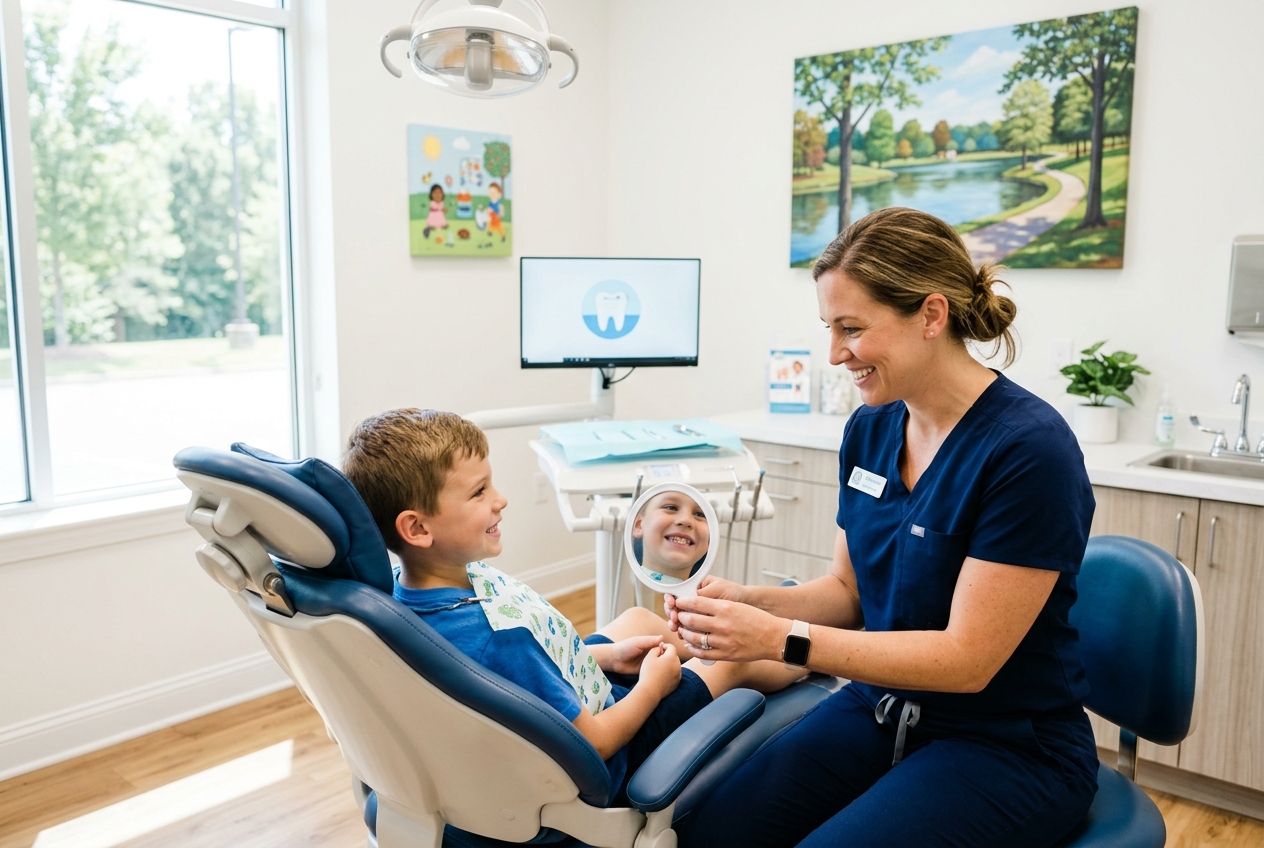
Beyond daily brushing, scheduling your baby's first dental visit is another critical step in their oral health journey. The ADA and the American Academy of Pediatric Dentistry recommend that a child's first dental appointment occur by their first birthday, or within six months of the eruption of their first tooth, whichever comes first. This initial visit to a practice like Piedmont Dental is often called a “happy visit.” It's primarily an opportunity for the dentist to examine your baby's mouth, check for any early signs of decay or https://gxr-charlotte.theglensecret.com/nourishing-your-smile-the-ultimate-guide-to-diet-and-oral-health developmental issues, and provide personalized advice on oral care, diet, and fluoride. It also helps your child become comfortable with the dental environment from an early age, reducing potential anxieties later on.
Addressing Common Parental Concerns
Many parents worry about fluoride, especially for infants. Rest assured, the small, rice-grain sized amount recommended is safe and effective in preventing cavities. Another common concern is brushing during teething. While gums might be sore, gentle brushing is still important. It can even provide some relief by gently massaging the gums. If your baby is particularly fussy, you might try a soft, damp cloth instead of a brush on very sensitive areas. As for transitioning from baby toothpaste, you can generally switch to a pea-sized amount of regular fluoride toothpaste (still supervised) once your child can reliably spit it out, typically around age three.
Starting to brush your baby's teeth as soon as that first tiny tooth appears is one of the most loving and proactive things you can do for their long-term health. It establishes a foundation for excellent oral hygiene and helps prevent future dental problems. If you have any questions or need guidance on your child's dental care, don't hesitate to reach out to our friendly and experienced team at Piedmont Dental. We are here to support you in nurturing healthy, beautiful smiles for your entire family, right from the very beginning.